THE CLINIC
CONTACT
Temporomandibular Joints treatment
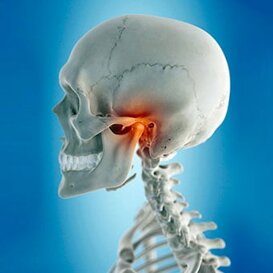
The Temporo-Mandibular joints connect the jawbone (the mandible) and the skull (the temporal bone). The joint enables opening and closing of the jaw which seems so trivial yet is vitally important for the basic functions of speech and eating.
Glenmore House, St Anne's Rd, Killarney, Co. Kerry
Email: matteoluc73osteo@gmail.com
Tel: 00353 085 1489337
Opening Hours:
Mon - Thu: 9am - 10pm
Friday: closed
Saturday: closed
Sunday: closed
Reasons and Factors for Appearance of Pain in the Jaw Muscles
There are many reasons and factors that may cause pain in the jaw muscles, some are emotional, such as stress and anxiety and some are physical such as injuries and physical trauma, e.g. a car accident that resulted in injury and dislocation of the joint, long, deep continuous yawns, teeth grinding during sleep, long dental sessions that require the patient to remain in a wide open-mouthed position for a long time.
Most of the studies found that the main reasons for pain in the jaw muscle are para-functional (incorrect and overuse of the joint), caused mainly from teeth grinding (bruxism) and clenching of the jaw. Frequent clenching and grinding of the teeth can cause chronic pain in the jaw, headaches, and pain in the facial muscles. This phenomenon is known as TMD – Temporo-Mandibular Disorder, and TMJ – Temporo-Mandibular Joint Syndrome.
What are the Symptoms?
Pain in the jaw, alongside facial pain, ear pain, and headaches, can also lead to pain in the joint itself.
How Can this be Treated?
Treatment of this disorder will usually include a combination of several options. Medication, physical therapy, a dental brace and nutritional changes as in eating softer foods and refraining from foods that put pressure on the joint such as chewing gum